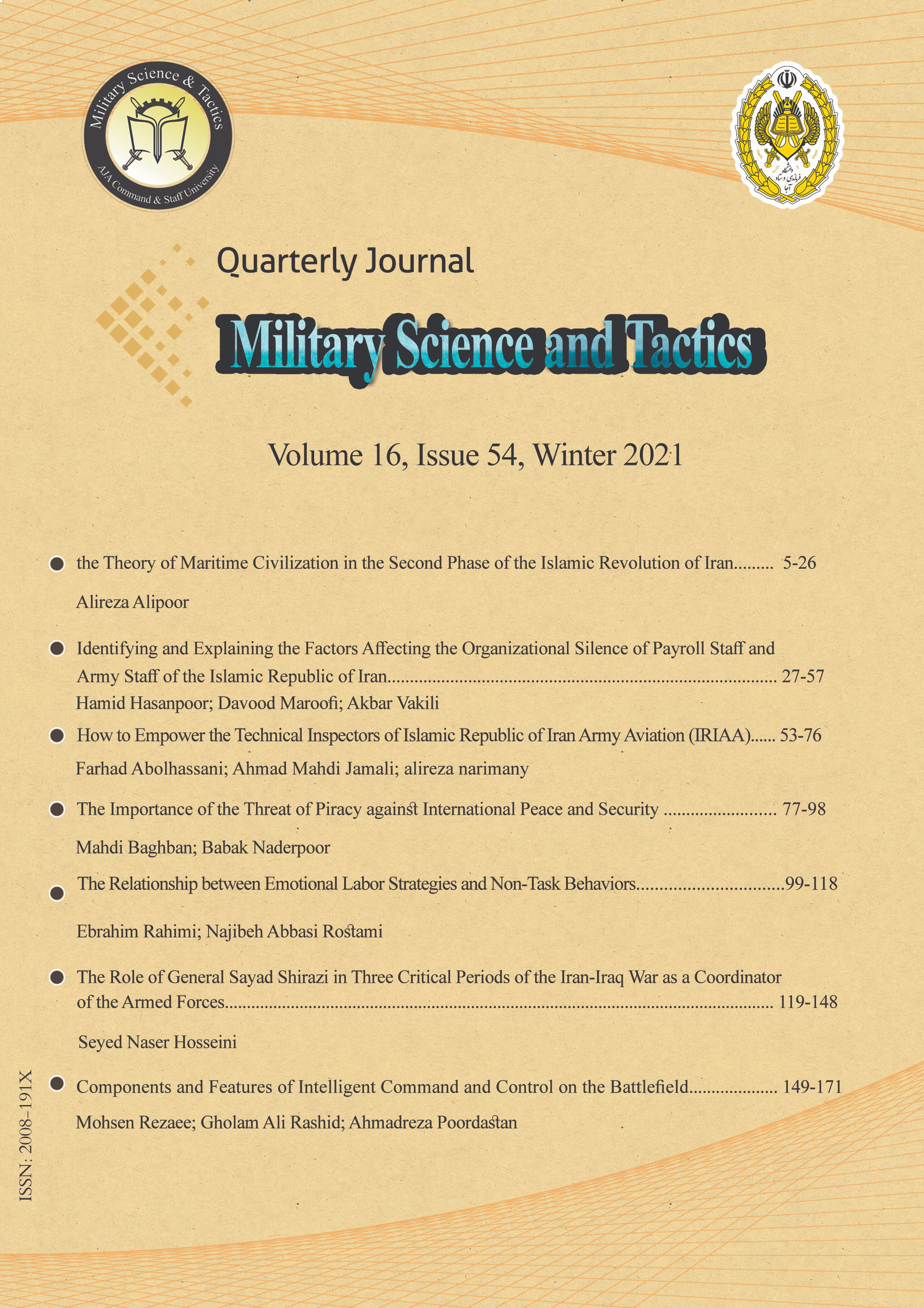
This study aimed to investigate the effect of emotional labor on employees' non-task behaviors, including organizational citizenship behavior and deviant behavior. The statistical population of this study is police forces in Markazi province. Due to limited community size, sampling was not performed and all individuals were selected as samples. Data gathering tools were three standard questionnaires of Deffendorf et al. (2005) and organizational citizenship behavior (Lee and Allen, 2002) and Robinson and Bennett (2000) work deviant behavior. Data were analyzed using SPSS software and correlation coefficient test. The study results showed a negative relationship between Apparent acting behavior strategy and organizational deviant behavior, and there is a positive correlation between deep acting strategy and individual citizenship behavior. The study results showed a negative relationship between Apparent acting behavior strategy and organizational deviant behavior, and there is a positive correlation between deep acting strategy and individual citizenship behavior.
آغاز، عسل؛ ضیایی، مهیار و فرزاد، گلناز. (1395). بررسی رفتارهای مخرب کاری و رفتارهای شهروندی سازمانی از منظر تفاوت های فردی کارکنان، مدیریت فرهنگ سازمانی، 14(1): 179-155.
حسینی رباط، سیده منصوره؛ رحیم نیا، فریبرز؛ کاظمی، مصطفی و مرتضوی، سعید. (1396). واکاوی محتوای ابعاد نیروی کار احساسی پرستاران برگزیده ایرانی ، تحقیقات کیفی در علوم سلامت، 6(3): 325-342.
حسینی مقدم، سید امین؛ ارشدی، نسرین و نعامی، عبدالزهرا . (1396). طراحی و آزمودن الگوی برخی پیشایندها و پیامدهای راهبردهای مدیریت هیجان در محیط کار، دو فصلنامه روانشناسی معاصر، 12(2): ۱۱۴-۱۲۷.
خورشیدی، عباس و قربانی، رضا. (1391). عوامل و شاخص های مؤثر در رهبری و مدیریت فرماندهان نیروی زمینی در آینده، فصلنامه علمی-پژوهشی مدیریت نظامی، 12(47): 34-11.
رحیمی، ابراهیم ؛ عباسی رستمی، نجیبه؛ صفری شاد، فرانک و ایاصوفی، حجت. (1397). تاثیر شایستگیهای رهبری بر رفتار شهروندی سازمانی (مورد مطالعه: کارکنان نیروی انتظامی استان مرکزی)، فصلنامه علوم و فنون نظامی، 14(43): 55-74.
ریاحی پاقلعه، زهرا؛ رضائی، بهروز و حسینی، سید حبیب الله. (1396). راهبردهای نمایش عاطفی مدیران و عملکرد شغلی پرستاران، فصلنامه مدیریت پرستاری سال ششم، 6(3و4): 28-37.
شیری، اردشیر؛ دهقانی سلطانی، مهدی؛ سلطانی بناوندی، اعظم و فارسی زاده، حسن. (1394). تأثیر کار هیجانی بر رضایت مشتری در صنعت هتلداری: نقش میانجی رضایت کارکنان، فصلنامه مطالعات مدیریت گردشگری، 10(31): 19-39.
عباسزاده، محمد؛ طالب پور، اکبر و پناه شاهی، مهسا. (1393). مدیریت احساسات گامی در راستای توسعه جامعه شناسی احساسات، مطالعات جامعهشناسی، 6(24)، 33-7.
غلامی، حسین؛ موذن زادگان، حسنعلی؛ دعاگویان، داوود و اسدی، داوود. (1396). عوامل برون سازمانی مؤثر بر احتمال بروز خشونت پلیس در فرآیند دادرسی و راهکارهای پیشگیری از آن (مطالعه موردی کارکنان آگاهی، مواد مخدر و سرکلانتری های پنجم و نهم فاتب)، حقوق کیفری، 6(20): 1-16
فیض، داود؛ دهقانی سلطانی، مهدی؛ فارسی زاده، حسین و فرجی، الهام. (1395). تأثیر کار هیجانی و فرسودگی هیجانی بر تعهد سازمانی عاطفی: نقش میانجی رضایت شغلی، فصلنامه مطالعات رفتار سازمانی، 5(3): 25-50
قاسم زاده، ابوالفضل، ملکی، شیوا و بروکی میلان، شعبان. (1393). نقش میانجی هویت سازمانی در رابطهی بین اخلاق حرفه ای با رفتار شهروندی سازمانی و رفتار انحرافی کار، مجله ایرانی اخلاق و تاریخ پزشکی، 7(4): 79-66.
مرادی، مرتضی؛ جلیلیان، حمیدرضا؛ کیان پور، سعید و امیری، مریم. (1396) نقش هوش هیجانی و کار هیجانی در کاهش فرسودگی شغلی و افزایش رضایت شغلی، فصلنامه مطالعات رفتار سازمانی، 6(2): 100-73.
مصلح، عبدالمجید؛ الهیاری بوزنجانی، احمد و جعفرپور، یونس. (1394). رفتارهای شهروندی خدمت گرا: اثر کیفیت ادراک شده کارکنان ازخدمات درونی، فصلنامه مطالعات رفتار سازمانی، 4(2): 163-143.
کیوان آرا محمود؛ ناعم اصفهانی، منصوره؛ بهرامی، سوسن؛ کریمی، سعید و عزیززاده، مینا. (1394). بررسی ارتباط کار احساسی با رضایت شغلی در بین مدیران اجرایی و پرستاری بیمارستانهای آموزشی دانشگاه علوم پزشکی اصفهان. مجله تحقیقات سلامت در جامعه. ۱ (۲) :۴۷-۵۴.
گل پرور، محسن. (1393). مشروعیت بخشی اخلاقی عاملی جهت تسهیل رابطه مثبت بین یاری رسانی و جوانمردی با رفتارهای انحرافی: شواهدی از دو مطالعه مستقل، مجله روانشناسی اجتماعی، 9(31): 26-1.
مرتضوی، سعید و امینی، علیرضا. (1392). بررسی اثر توانمند سازی روانشناختی بر عملکرد نیروی کار عاطفی، مطالعات رفتار سازمانی, 2(4): 21-47.
یاوری بافقی، امیرحسین؛ نعیم یاوری، مجید؛ نایب زاده، شهناز و تقی زاده، علیرضا. (1394). شناسایی و ارائه الگوی رفتار شهروندی سازمانی در ناجا، با استفاده از تکنیک تحلیل عاملی، فصلنامه مدیریت منابع در نیروی انتظامی، 12(3): 104-85.
Ashforth, B. E., & Humphrey, R. H. (1993). Emotional labor in service roles: The influence of identity. Academy of Management Review, 18(1): 88-115.
Appelbaum, S ., Bartolomucci, N., Beaumier, E ., Boulanger, J ., Corrigan, R . , Dore, I ., Girard, C ., & Serroni, C.( 2004). Organizational citizenship behavior : a case study of culture, leadership and trust management decision , 42(1): 13-40.
Bennett, R. J., & Robinson, S. L. (2000). Development of a measure of workplace deviance. Journal of Applied Psychology, 85(3): 349-360.
Borman, W. C., & Motowidlo, S. J. (1997). Task performance and contextual performance: The meaning for personnel selection research. Human performance, 10(2): 99-109.
Diefendorff, J. M., Croyle, M. H., & Gosserand, R. H. (2006). The dimensionality and antecedents of emotional labor strategies. Journal of Vocational Behavior, 66: 339-357.
Dunlop P. D. & Lee, K . (2004), Workplace deviance, organizational citizenship behavior, and business unit performance: the bad apples do spoil the whole barrel. Journal of Organizational Behavior,25(1): 67-80.
Fredrickson, B. L. (2001). The role of positive emotions in positive psychology: The broaden-and-build theory of positive emotions. American Psychologist, 56 (3): 218- 226.
Petersen, S. A. K., Catherine, L., Jordan, G. (2011). The big five, emotional exhaustion and citizenship behaviors in service settings: The mediating role of emotional labor, Personality and Individual Differences, 50(1): 43–48.
Robinson, S. L., & Bennett, R. J. (1995). A typology of deviant workplace behaviors: A multi-dimensional scaling study. Academy of Management Journal, 38: 555-572.
Ramachandran, Y., Jordan, P. J., Troth, A. C. & Lawrence, S. A. (2011) Emotional Intelligence, Emotional Labour and Organisational Citizenship Behaviour in service environments, Int. J. Work Organisation and Emotion, 4(2): 136-157.
Shahjehan, A., & Yasir, M. (2015). Moderating effect of organizational identification on the relationship between organizational silence, organizational voice and organizational citizenship behaviors, Gomal University Journal of Research, 31(2): 41-52.
Wang, X. D. & Lian, X. T. (2015) Psychological Capital, Emotional Labor and Counterproductive Work Behavior of Service Employees: The Moderating Role of Leaders, Emotional Intelligence. American Journal of Industrial and Business Management, 5: 388-395.
Choi, Y., & Kim, K. (2015). A Literature Review of Emotional Labor and Non-Task Behavior, Universal Journal of Management, 3(4): 143-147.
Diefendorff, J. M., & Gosserand, R. H(2003). Understanding the emotional labor process: A control theory perspective, Journal of Organizational Behavior, 24: 945-959.
Grandey, A. A. (2003). When “the show must go on”: surface and deep acting as determinants of emotional exhaustion and peer-rated service delivery’, Academy of Management Journal, 46(1):86–96.
Goodwin R. E., Groth, M., & Frenkel, S. J. (2011). Relationship between emotional labor, job performance, and turnover. J Vocat Behav, 79(2): 548-538.
Hochschild, A. R. (1983). The Managed Heart, Berkeley & Los Angeles, CA: University of CaliforniaPress.
Kelloway, K., Loughlin, C., Barling, J. and Nault, A. (1999). Counterproductive and organizational citizenship behaviours; separate but related constructs, International Journal of Selection and Assessment ,10(1): 143-51.
Morris, J. A., & Feldman, D. C. (1996). The dimensions, antecedents, and consequences of emotional labor. Academy of Management Review, 21(4): 986-1010.
Organ, D. (1988). Organizational citizenship behavior: The good soldier syndrome, Lexington, MA: Lexington Books.
Wong, Y. T., Ngo, H. Y., Wong, C. S. (2006). Perceived organizational justice, trust, and OCB: A study of Chinese workers in joint ventures and state-owned enterprises. Journal of World Business, 41: 344–355.
Rahimi,E. and Abbasi Rostami,N. (2021). The Relationship between Emotional Labor Strategies and Non-Task Behaviors. Military Science and Tactics, 16(54), 99-118. doi: 10.22034/qjmst.2021.243873
MLA
Rahimi,E. , and Abbasi Rostami,N. . "The Relationship between Emotional Labor Strategies and Non-Task Behaviors", Military Science and Tactics, 16, 54, 2021, 99-118. doi: 10.22034/qjmst.2021.243873
HARVARD
Rahimi E., Abbasi Rostami N. (2021). 'The Relationship between Emotional Labor Strategies and Non-Task Behaviors', Military Science and Tactics, 16(54), pp. 99-118. doi: 10.22034/qjmst.2021.243873
CHICAGO
E. Rahimi and N. Abbasi Rostami, "The Relationship between Emotional Labor Strategies and Non-Task Behaviors," Military Science and Tactics, 16 54 (2021): 99-118, doi: 10.22034/qjmst.2021.243873
VANCOUVER
Rahimi E., Abbasi Rostami N. The Relationship between Emotional Labor Strategies and Non-Task Behaviors. Military Science and Tactics, 2021; 16(54): 99-118. doi: 10.22034/qjmst.2021.243873